
Best Headphones (2026): Headphone Reviews
Updated
The Sony WH-1000XM6 tops this guide to the best headphones, a wireless pair whose title names active noise cancelling and a 30-hour battery figure. The list compares every pick on the details each listing states: fit, connection, active noise cancelling, battery figure, Hi-Res words, and earcup back. Headphone reviews here rank by how many of those details are stated, then by the printed battery figure, then by pool order.
- 297headphones compared in this guide's pool
- 13picks ranked in this guide
- Nov 2prices last read, 2026
How the picks were chosen
This guide draws from a pool of 294 priced listings across the catalogue, covering over-ear, on-ear, and earbuds, wireless and wired, from every maker on the site's list. The top 13 picks are chosen by a rule: first, how many of the 6 listed details each listing states (fit, connection, active noise cancelling, battery figure, Hi-Res, earcup back), most first; then by the printed battery figure, largest first; then by the order in the pool file. To keep the list useful, no more than 2 picks come from any 1 brand, and the picks include at least 3 over-ear and 3 earbud pairs. Every pair is compared on stated details and live prices, never on sound, comfort, or noise reduction performance.
Headphone reviews compared on stated details and live prices. 13 picks across over-ear, on-ear, and earbuds, wireless and wired.
The Winners & Full Reviews of Each Pair of headphones
#1. Sony WH-1000XM6 The Best Noise Cancelling Wireless Headphones - Top pick: wireless with ANC and 30-hour battery
$378.00 (as of 11/02/2026 01:15 PST - Details)
Winner: #1 out of 13
Top pick: wireless with ANC and 30-hour battery
Top pick: wireless with ANC and 30-hour battery
- Active noise cancelling named on the title
- Printed battery figure of 30 hours
- Wireless connection stated
- Sony brand as titled
- Fit not stated by the seller
- No Hi-Res words on the title
- Battery figure may count the case, not stated
The Sony WH-1000XM6 ranks first because its listing states 4 of the 6 details: active noise cancelling, a 30-hour battery figure, and wireless connection. The fit is not stated, but the title names the model as headphones. It leads the list on the ordering rule, ahead of pairs with fewer stated details.
Who it suits
- Buyers who want a wireless pair with active noise cancelling named
- Those who value a high printed battery figure
Skip it if
- You need a stated fit like over-ear or earbuds
- You prefer a wired connection
Verdict: The Sony WH-1000XM6 is the top pick for its stated wireless, ANC, and battery details.
#2. beyerdynamic DT 770 PRO - Best wired closed-back studio pick
$199.99 (as of 11/01/2026 21:57 PST - Details)
#2 out of 13
Best wired closed-back studio pick
Best wired closed-back studio pick
- Over-ear fit stated
- Closed-back design named
- Wired connection stated
- beyerdynamic brand as titled
- No active noise cancelling named
- No battery figure printed
- No Hi-Res words on the title
The beyerdynamic DT 770 PRO ranks second with 3 stated details: over-ear fit, closed-back design, and wired connection. It ties with other 3-detail picks but comes earlier in the pool order. It suits buyers who want a wired, closed-back pair for a desk or studio.
Who it suits
- Buyers at a home recording desk who want a wired pair
- Those who prefer a closed-back design to enclose the sound
Skip it if
- You need wireless connection
- You want active noise cancelling named
Verdict: The DT 770 PRO is a strong wired closed-back pick for studio use.
#3. Beats Studio Pro Premium Wireless Over-Ear Headphones- Up to 40-Hour - Wireless over-ear with 40-hour battery figure
$199.95 (as of 11/01/2026 21:54 PST - Details)
#3 out of 13
Wireless over-ear with 40-hour battery figure
Wireless over-ear with 40-hour battery figure
- Over-ear fit stated
- Active noise cancelling named
- Printed battery figure of 40 hours
- Wireless connection stated
- No Hi-Res words on the title
- Battery figure may count the case, not stated
- No earcup back stated
The Beats Studio Pro ranks third with 3 stated details: over-ear fit, active noise cancelling, and a 40-hour battery figure, plus wireless connection. It has the highest printed battery figure among the top picks, which moves it up the order.
Who it suits
- Buyers who want a wireless over-ear pair with a long printed battery figure
- Those who value active noise cancelling named
Skip it if
- You need a closed-back or open-back design stated
- You prefer a wired connection
Verdict: The Beats Studio Pro offers a high battery figure and ANC in a wireless over-ear design.
#4. Audio-Technica ATH-M50X Professional Studio Monitor Headphones - Professional studio monitor pick
$318.00 (as of 11/01/2026 21:50 PST - Details)
#4 out of 13
Professional studio monitor pick
Professional studio monitor pick
- Audio-Technica brand as titled
- Professional studio monitor name
- Wired connection implied by title
- Fit not stated by the seller
- No active noise cancelling named
- No battery figure printed
The Audio-Technica ATH-M50X ranks fourth because its listing states no details beyond the brand and model, but it is a well-known studio monitor pair. It appears early in the pool order and is included for buyers seeking a professional-grade wired option.
Who it suits
- Buyers who want a professional studio monitor pair
- Those who trust the Audio-Technica brand
Skip it if
- You need a stated fit or earcup back
- You want wireless connection
Verdict: The ATH-M50X is a professional studio monitor pick, though details are sparse.
#5. Apple AirPods Max 2 Wireless Over-Ear Headphones - Wireless over-ear with ANC and adaptive audio
$449.00 (as of 11/01/2026 21:42 PST - Details)
#5 out of 13
Wireless over-ear with ANC and adaptive audio
Wireless over-ear with ANC and adaptive audio
- Over-ear fit stated
- Active noise cancelling named
- Wireless connection stated
- Apple brand as titled
- No battery figure printed
- No Hi-Res words on the title
- No earcup back stated
The Apple AirPods Max 2 ranks fifth with 3 stated details: over-ear fit, active noise cancelling, and wireless connection. It ties with other 3-detail picks but comes later in the pool order. It suits Apple ecosystem buyers.
Who it suits
- Buyers who want a wireless over-ear pair with ANC
- Those who prefer Apple products
Skip it if
- You need a printed battery figure
- You want a closed-back or open-back design stated
Verdict: The AirPods Max 2 is a wireless over-ear pick with ANC, but lacks a battery figure.
#6. Bose QuietComfort Bluetooth Headphones - Wireless over-ear with ANC and 24-hour battery
$169.00 (as of 11/01/2026 22:02 PST - Details)
#6 out of 13
Wireless over-ear with ANC and 24-hour battery
Wireless over-ear with ANC and 24-hour battery
- Over-ear fit stated
- Active noise cancelling named
- Printed battery figure of 24 hours
- Wireless connection stated
- No Hi-Res words on the title
- Battery figure may count the case, not stated
- No earcup back stated
The Bose QuietComfort ranks sixth with 3 stated details: over-ear fit, active noise cancelling, and a 24-hour battery figure, plus wireless. It has a lower battery figure than the Beats, so it ranks lower on the ordering rule.
Who it suits
- Buyers who want a wireless over-ear pair with ANC
- Those who value a stated battery figure
Skip it if
- You need a higher printed battery figure
- You prefer a wired connection
Verdict: The Bose QuietComfort is a solid wireless ANC pick with a 24-hour battery figure.
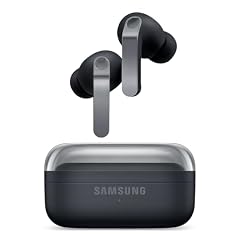
#7. Samsung Galaxy Buds 4 Pro - Wireless earbuds with ANC and Hi-Res
$244.00 (as of 11/02/2026 00:54 PST - Details)
#7 out of 13
Wireless earbuds with ANC and Hi-Res
Wireless earbuds with ANC and Hi-Res
- Earbuds fit stated
- Active noise cancelling named
- Hi-Res audio named
- Wireless connection stated
- No battery figure printed
- No earcup back stated
- Samsung brand as titled
The Samsung Galaxy Buds 4 Pro ranks seventh with 4 stated details: earbuds fit, active noise cancelling, Hi-Res audio, and wireless connection. It has more stated details than many picks, but no battery figure, so it ranks after pairs with battery figures.
Who it suits
- Buyers who want wireless earbuds with ANC
- Those who value Hi-Res audio named
Skip it if
- You need a printed battery figure
- You prefer over-ear or on-ear fit
Verdict: The Galaxy Buds 4 Pro offers ANC and Hi-Res in wireless earbuds, but no battery figure.
#8. Google Pixel Buds Pro 2 - Wireless earbuds with ANC and 30-hour battery
$169.00 (as of 11/01/2026 23:07 PST - Details)
#8 out of 13
Wireless earbuds with ANC and 30-hour battery
Wireless earbuds with ANC and 30-hour battery
- Earbuds fit stated
- Active noise cancelling named
- Printed battery figure of 30 hours
- Wireless connection stated
- No Hi-Res words on the title
- No earcup back stated
- Battery figure may count the case, not stated
The Google Pixel Buds Pro 2 ranks eighth with 4 stated details: earbuds fit, active noise cancelling, a 30-hour battery figure, and wireless connection. It has a battery figure, which places it above earbuds without one.
Who it suits
- Buyers who want wireless earbuds with ANC
- Those who value a high printed battery figure
Skip it if
- You need Hi-Res audio named
- You prefer over-ear fit
Verdict: The Pixel Buds Pro 2 is a wireless earbud pick with ANC and a 30-hour battery figure.
#9. Xiaomi Redmi Buds 8 True Wireless Earbuds - Wireless earbuds with ANC, Hi-Res, and 44-hour battery
$55.99 (as of 11/02/2026 01:50 PST - Details)
#9 out of 13
Wireless earbuds with ANC, Hi-Res, and 44-hour battery
Wireless earbuds with ANC, Hi-Res, and 44-hour battery
- Earbuds fit stated
- Active noise cancelling named
- Hi-Res audio named
- Printed battery figure of 44 hours
- No earcup back stated
- Battery figure may count the case, not stated
- Xiaomi brand as titled
The Xiaomi Redmi Buds 8 ranks ninth with 5 stated details: earbuds fit, active noise cancelling, Hi-Res audio, a 44-hour battery figure, and wireless connection. It has the most stated details among earbuds, but the battery figure is lower than some over-ear picks, so it ranks here.
Who it suits
- Buyers who want wireless earbuds with ANC and Hi-Res
- Those who value a high printed battery figure
Skip it if
- You need a stated earcup back
- You prefer over-ear fit
Verdict: The Redmi Buds 8 combines ANC, Hi-Res, and a 44-hour battery figure in earbuds.
#10. Edifier STAX Spirit S10 Planar Magnetic ANC Wireless Earbuds - Planar magnetic wireless earbuds with ANC and Hi-Res
$299.99 (as of 11/01/2026 22:39 PST - Details)
#10 out of 13
Planar magnetic wireless earbuds with ANC and Hi-Res
Planar magnetic wireless earbuds with ANC and Hi-Res
- Earbuds fit stated
- Active noise cancelling named
- Hi-Res audio named
- Wireless connection stated
- No battery figure printed
- No earcup back stated
- Edifier brand as titled
The Edifier STAX Spirit S10 ranks tenth with 4 stated details: earbuds fit, active noise cancelling, Hi-Res audio, and wireless connection. It lacks a battery figure, so it ranks below earbuds with one.
Who it suits
- Buyers who want planar magnetic earbuds
- Those who value Hi-Res audio named
Skip it if
- You need a printed battery figure
- You prefer over-ear fit
Verdict: The STAX Spirit S10 offers planar magnetic drivers with ANC and Hi-Res, but no battery figure.
#11. Shure SRH840A Over-Ear Wired Studio Monitoring Headphones - Wired closed-back studio monitor pick
$169.00 (as of 11/02/2026 01:03 PST - Details)
#11 out of 13
Wired closed-back studio monitor pick
Wired closed-back studio monitor pick
- Over-ear fit stated
- Closed-back design named
- Wired connection stated
- Shure brand as titled
- No active noise cancelling named
- No battery figure printed
- No Hi-Res words on the title
The Shure SRH840A ranks eleventh with 3 stated details: over-ear fit, closed-back design, and wired connection. It ties with other 3-detail picks but comes later in the pool order. It suits buyers who want a wired studio pair.
Who it suits
- Buyers at a home recording desk who want a wired pair
- Those who prefer a closed-back design
Skip it if
- You need wireless connection
- You want active noise cancelling named
Verdict: The SRH840A is a wired closed-back studio monitor pick.
#12. PHILIPS Over Ear Open Back Stereo Headphones Wired - Wired open-back over-ear pick
$79.99 (as of 11/02/2026 00:33 PST - Details)
#12 out of 13
Wired open-back over-ear pick
Wired open-back over-ear pick
- Over-ear fit stated
- Open-back design named
- Wired connection stated
- PHILIPS brand as titled
- No active noise cancelling named
- No battery figure printed
- No Hi-Res words on the title
The PHILIPS Over Ear Open Back ranks twelfth with 3 stated details: over-ear fit, open-back design, and wired connection. It is the only open-back pick in the list, offering a different design for buyers who want sound to pass through the earcups.
Who it suits
- Buyers who want an open-back design for a home desk
- Those who prefer a wired connection
Skip it if
- You need wireless connection
- You want active noise cancelling named
Verdict: The PHILIPS open-back pair is a wired pick for buyers who want sound to pass through.
#13. HIFIMAN HE400SE Stealth Magnets Version Over-Ear Open-Back Full-Size - Planar magnetic open-back wired pick
$109.00 (as of 11/01/2026 23:16 PST - Details)
#13 out of 13
Planar magnetic open-back wired pick
Planar magnetic open-back wired pick
- Over-ear fit stated
- Open-back design named
- Wired connection stated
- Planar magnetic drivers named
- No active noise cancelling named
- No battery figure printed
- No Hi-Res words on the title
The HIFIMAN HE400SE ranks thirteenth with 3 stated details: over-ear fit, open-back design, and wired connection. It ties with other 3-detail picks but comes later in the pool order. It offers a planar magnetic design, which is a stated detail of the title.
Who it suits
- Buyers who want a planar magnetic open-back pair
- Those who prefer a wired connection for a desk
Skip it if
- You need wireless connection
- You want active noise cancelling named
Verdict: The HE400SE is a planar magnetic open-back wired pick.




Who this page is for and how to read it
This page is for anyone choosing a pair of headphones or earbuds for listening: a commuter who wants a quieter train ride, a home producer who needs a pair for the desk, a DJ who wants something for the booth, or a person who simply wants one good pair for music and shows. The shortlist above is the answer for most readers. The sections below explain how that shortlist was built and how to read the listings behind it, so you can make the same call for your own situation.
Every pair on the site is compared on what its listing title states and on its live price. Nobody at the site wears, pairs or measures these headphones, so the text never describes sound, comfort or how quiet a cabin becomes. What the page can do is sort a large catalogue by fit, connection, noise cancelling, earcup design, any printed battery figure and the Hi-Res words a title uses, and then point you to the narrower guide that fits your use.
The catalogue holds 297 priced pairs today. If you already know you want buds rather than a headband, the wireless earbuds shortlist is the faster route. If you record or mix at home, the sealed-earcup studio pairs start from the earcup design that most studio listings name.
Read the page in any order. The first sections cover the decisions that split the catalogue most cleanly, the middle sections cover makers and budgets, and the last ones cover checklists, a glossary and the questions buyers ask most often.
How the picks are chosen and ordered
The home shortlist reads every priced pair in the category. A pool of candidates is drawn from it maker by maker, so that one brand with many colors cannot fill the list, and near-identical listings (the same model in a second color or a second bundle) are folded into one. From that pool the picks are ordered by a single rule that is the same on every guide of the site.
The rule counts how many of 6 listed details a title states: the fit, the connection, active noise cancelling, a battery figure, Hi-Res or codec words, and the earcup back. A pair whose title states more of them ranks higher, because a buyer can check more about it before ordering. Ties are broken by the printed battery figure, then by the order of the pool. Price never moves a pair up or down, and neither does popularity.
The home list also keeps a spread: no more than 2 picks from any one maker, and both over-ear pairs and earbuds in the top places. That spread is why a reader looking only for over-ear models should open the over-ear shortlist, where the same rule runs on over-ear titles alone.
A rule this simple has limits. A famous pair with a short title can sit under a less familiar pair with a long, detailed one. The guides accept that trade on purpose: a stated detail can be checked, and a reputation cannot be checked from a listing.
What counts as headphones here, and what is left out
The product on this site is a pair of headphones for listening. That covers over-ear and on-ear headphones, wireless and wired, with or without noise cancelling, studio and monitor models, DJ headphones, open-back and closed-back designs, true wireless earbuds, wired earbuds, neckband buds and IEMs.
Some listings carry the word headphones and still sit outside that definition, and the catalogue hides them before any guide reads it:
- Gaming headsets, office and call-center headsets and broadcast headsets with a boom microphone. A sister site covers them, since their job includes speaking.
- Accessories sold alone: ear pads, ear tips, headbands, cases, stands, cables, adapters, splitters, headphone amplifiers and DACs.
- Multi-packs sold as a classroom or studio set, wireless monitor systems with transmitters and receivers, mixer and audio interface bundles, silent disco kits.
- Things that only mention headphones in the title: shirts with a headphone print, ear plugs and ear muffs, hearing devices, toys, speakers and turntables.
Listings from small sellers with no maker page that could be read are also left out of the guides. What remains is a catalogue of pairs from established makers, which is the field every guide on this page draws from.
Over-ear, on-ear or earbuds
Fit is the first split most buyers make, and it is the detail titles state most often. The catalogue reads 4 fit words from a title: over-ear, on-ear, earbuds and open-ear. A title that names 2 of them, or none, is left without a fit rather than guessed.
Over-ear
Over-ear (also written around-ear) means the earcups surround the ear. Noise cancelling travel pairs, studio monitors and many wireless headphones use this form. 93 priced listings state it today, and the over-ear guide sorts them by the same 6 details as the home list.
On-ear
On-ear means the earcups rest on the ear instead of around it. In this catalogue the form is a DJ and monitor choice: the makers behind the titles include Pioneer DJ, Sennheiser, AIAIAI, Audio-Technica and SAMSON. The on-ear DJ and monitor picks gather them in one place.
Earbuds
Earbuds sit in the ear. The word covers true wireless buds that ship in a charging case, wired buds with a cable, neckband models and in-ear monitors. 82 priced listings state an earbud fit. The home list keeps both earbuds and over-ear pairs in its top places.
Open-ear
Open-ear and bone conduction titles sit outside the ear canal. The reader knows the words, but no priced listing states them today, so no guide covers them yet.
Fit words side by side
The table restates what each fit word on a title means and where the site sends you for that form. It describes the words, not the experience of wearing a pair.
| Fit word | What the title tells you | Typical listings here | Priced listings now |
|---|---|---|---|
| Over-ear | Earcups around the ear | Noise cancelling, studio monitors, wireless travel pairs | 93 |
| On-ear | Earcups resting on the ear | DJ and monitor models | 16 |
| Earbuds | A pair that sits in the ear | True wireless buds, wired buds, in-ear monitors | 82 |
| Open-ear | A pair outside the ear canal | None priced today | none |
Many titles state no fit at all. Studio models in particular often name the model and the earcup back and leave the fit to the photos. Those pairs still appear in the guides that match their other details; they simply do not appear in a guide that filters on fit.
Wireless, wired or both
The second split is how the pair connects. The catalogue reads 3 values from a title. Wireless means the title says wireless, Bluetooth or true wireless. Wired means the title says wired, or names a cable, a 3.5 mm or 6.35 mm plug, or a USB-C plug on an earbud, and names no wireless link. Wireless and wired means the title names both, usually a Bluetooth pair with a cable for a wired mode.
The choice is practical rather than technical. A wireless pair needs charging and pairing; a wired pair needs a jack or an adapter on the device it plugs into. Phones without a headphone jack push many buyers toward wireless, while recording desks, mixers and DJ controllers still expect a cable. The wired studio and DJ picks are almost all of the second kind, and the Bluetooth headphones shortlist covers the first.
A detail worth knowing: the site's connection filter matches on the word, so a pair whose title names both a wireless link and a wired mode appears in the wireless guide and in the wired guide. That is deliberate, since such a pair answers both needs. If you want to read more on the trade-off in plain terms, the Learn page on wired versus wireless listening goes through it.
Pairs that name both a wireless link and a cable
A small group of titles name both modes. The makers behind them today are OneOdio and Pioneer DJ: Bluetooth DJ headphones with a cable for the booth, or studio-style pairs with a wireless mode for the walk home. 9 priced listings fall in this group.
For a buyer the appeal is flexibility, and the questions to ask are equally practical. Does the cable come in the box, or is it sold separately? Which plug does it end in? Does the listing say whether the wireless mode and the wired mode can be used at the same time? Those answers live in the listing text and the maker's page, not in the title, and the guides do not guess them.
Because the group is small, no guide is built on it alone. Its pairs appear in both the wireless and the wired guides, and a few reach the Hi-Res word shortlist because their titles also name Hi-Res.
What active noise cancelling on a title means
Active noise cancelling, often shortened to ANC, is a feature a maker names on the title: microphones on the earcups or buds pick up outside sound and the pair plays a signal meant to reduce it. Hybrid and adaptive are the 2 qualifiers that appear most often beside it. The catalogue marks a pair as noise cancelling only when the title names the feature for the headphones themselves.
That last condition matters. Many budget earbud titles say noise cancelling mic, ENC or AI noise cancelling, which describes how the microphone treats your voice on a call, not what you hear. The reader removes those phrases before it looks for noise cancelling, so a pair is not counted for a feature that belongs to its microphone. Passive noise isolation, a phrase studio listings use for the seal of the earcups, is not counted either.
70 priced listings name active noise cancelling today; the titles that name it are earbuds and over-ear pairs. The noise cancelling shortlist ranks them by the stated details, not by how much noise each one removes: the catalogue has no way to know that, and the site does not guess it. The Learn page on noise cancelling basics explains the term in plain words.
If a quiet commute is the goal, read the fit first. An over-ear pair with noise cancelling and a closed earcup is a different object from a set of buds with the same word on the title, and earbuds have their own wireless earbud picks.
Closed-back, open-back and semi-open
Studio, monitor and audiophile listings often name the design of the earcup. Closed-back means the back of each earcup is sealed. Open-back, or open-air, means the back is vented so sound passes through it in both directions. Semi-open sits between the two. The catalogue records whichever of the 3 a title names; a title that names none is left blank.
In general terms, a closed design keeps more of what you play inside the earcups and more of the room outside them, which is why recording, tracking and DJ listings so often name it. An open design lets the room in and lets your music out, which suits a quiet room and a listener who is alone. Neither design is better in itself; they answer different situations. The Learn page on closed versus open back covers the words in more depth.
56 priced titles say closed-back today, beside smaller open-back and semi-open groups. That shapes the guides: the closed-back recording picks draw from a wide field, while the open-back shortlist is a short list that runs from entry studio models to planar audiophile pairs.
One caution when you compare titles: some makers write closed or closed monitor without the word back. The reader counts those as closed-back, because the meaning is the same, but it never infers an earcup design from a model name.
Studio and monitor listings
A large part of the catalogue is studio and monitor headphones: Audio-Technica ATH-M models, beyerdynamic DT models, Sennheiser HD 280 and HD 25 listings, AKG K models, Shure SRH models, Sony MDR monitors, and studio lines from Tascam, Yamaha, Neumann, Rode, Austrian Audio and others. These titles share a pattern. They name the model, often the earcup back, sometimes an impedance in ohms and a driver size in millimeters, and they rarely mention noise cancelling or a battery.
For a home recording or mixing desk, the details that matter on a listing are the connection (almost always wired), the cable (coiled or straight, fixed or detachable, as the title states), the plug and any adapter in the box, and the earcup back. The ohms figure on a title is a property of the pair; whether a given interface or amplifier suits it is a question for the maker's page, and the site does not answer it.
Two guides do most of the work for studio buyers. The Audio-Technica monitor range collects the ATH-M family and its relatives, and the Sennheiser studio and DJ listings cover the HD 25 and HD 280 lines next to the maker's earbuds. The Learn page on studio monitoring headphones explains the vocabulary of monitor listings.
Bundles are common in this corner: a monitor pair sold with a stand, a case, an extension cable or a polishing cloth. The catalogue counts such a bundle as the headphones, because the pair is what the buyer compares. A bundle with a mixer or an audio interface is a different product and is left out.
DJ headphones
DJ titles have their own vocabulary: swivel earcups, a coiled cable, a single-sided cable, on-ear or over-ear fit, sometimes a Bluetooth mode for listening away from the booth. Pioneer DJ, AlphaTheta, Numark, Gemini, Hercules, V-Moda, AIAIAI and Technics all appear here, as do the DJ variants of Sennheiser and Audio-Technica lines.
DJ listings often state a closed design, a wired connection and on-ear fit. That is why the on-ear guide and the closed-back guide both carry DJ pairs. For a DJ the details to read on a listing are the cable and its plug, whether a carry case or a second cable is in the box, and whether the earcups rotate.
The Pioneer DJ headphones guide is the main DJ route on the site: it runs from the HDJ-CUE1 to the HDJ-X10, in wired and Bluetooth versions and in several bundles. The Learn page on DJ headphone listings goes through the terms.
Reading a battery figure on a title
Wireless titles often print a battery figure in hours: 30H Playtime, Up to 40-Hour Battery Life, 80Hrs. The catalogue keeps the largest hour figure a title prints and stores it as written. It does not convert, round or adjust it.
That figure needs care, for 2 reasons. First, many earbud titles count the hours of the charging case together with the buds, and many do not say whether they did. Second, a figure printed with noise cancelling switched off and a figure printed with it on are not the same quantity, and titles rarely say which one they print. So a larger number on one title and a smaller number on another tell you what each seller printed, not which pair runs longer between charges.
65 priced titles print a battery figure today. The long battery figure picks gather the titles that print 60 hours or more and quote each figure as printed. For runtimes under specific conditions, the maker's page is the place to read; the guides do not compare figures across makers as if they were measured the same way.
Wired pairs print no battery figure because they have no battery, unless the title also names a wireless mode. A missing figure on a wireless title means the seller did not print one, never that the pair has none.
Hi-Res, LDAC and aptX on a listing
Some titles say Hi-Res, Hi-Res Audio, high-resolution audio, LDAC or aptX. These are words for audio formats and Bluetooth codecs that a maker names, and the catalogue marks a pair when its title uses any of them. 30 priced titles do today, across studio-style wired pairs, Bluetooth headphones and earbuds.
What the word does not tell you is what you will hear. Whether a higher-resolution signal reaches the pair depends on the source device, the file or stream, and, on a wireless pair, on whether the phone or player supports the same codec. The maker's page states which formats and codecs the pair supports; the title usually only names the headline one.
The shortlist of Hi-Res titles ranks only pairs whose titles use these words, on the same ordering rule as every other guide. The Learn pages on wireless codecs compared and on the Hi-Res label explain the terms without claims about sound.
True wireless, wired buds, neckbands and in-ear monitors
The earbud fit covers several products that look different on a listing. True wireless earbuds are 2 separate buds and a charging case; their titles usually print a battery figure and often a Bluetooth version. Wired earbuds use a cable with a 3.5 mm plug, a USB-C plug or a Lightning plug, and their titles name the plug. Neckband models join the 2 buds with a band or cord around the neck. In-ear monitors, or IEMs, are earbuds sold for musicians and careful listeners, often with a detachable cable.
For a buyer the first question is the device. A phone without a headphone jack takes true wireless buds, or wired buds with the matching plug or an adapter. A computer, a mixer or a stage system usually takes a cable. The wireless earbuds guide covers the first group; wired earbuds and in-ear monitors appear across the wired and maker guides, and Sony and Sennheiser are among the makers that list them.
Ear tips, wing tips and ear hooks are sold with many buds and named on some titles. Titles that sell tips or hooks alone are accessories and are hidden; titles that name them as part of the box stay. The Learn pages on Bluetooth multipoint and on USB-C headphone listings explain 2 terms that appear often on earbud titles.
Microphones on listening headphones
Many listening headphones name a built-in microphone for calls, and many earbud titles name several. The site keeps those pairs, because they are still bought for listening; the microphone is a feature beside the main job. What it does not do is compare microphones or call quality, which a title cannot state.
The line is drawn where a listing is sold mainly for talking. Gaming headsets, office headsets with a boom, broadcast headsets and headset microphones are hidden from this catalogue. A title that names a mic with a boom, a mono office headset or a headworn microphone falls on that side of the line.
Two phrases cause confusion. Noise cancelling mic, or ENC, describes how the microphone treats your voice; it is not active noise cancelling for what you hear, and the catalogue does not count it as such. Built-in mic simply says a microphone is present. Neither phrase changes where a pair ranks.
Bundles, cases and what comes in the box
Plenty of listings sell the pair with something else: a hard case, a stand, an extension cable, a USB-C adapter, a polishing cloth, an extended care plan, or a second cable for DJ use. The catalogue counts all of these as the headphones and compares them on the pair's stated details. A bundle never ranks higher for the extras it carries.
Two consequences follow. The same model can appear several times, once on its own and once or twice as a bundle; the guides fold such near-duplicates and keep one of them. And a bundle's price includes the extras, so a price window can hold a bundle of a model whose plain listing sits in a lower window.
When an extra matters to you, read the listing for the exact item, its plug or size, and whether it is new. Bundles with an extended care plan name the plan's length on the title; the site repeats nothing about what such a plan covers. The budget windows under $200 hold many of the DJ and monitor bundles, so that guide is a useful place to compare a bundle with the plain pair beside it.
Makers by what their titles state
The table is a snapshot of what titles from the larger makers in the catalogue state today. It shows which values appear on at least one priced title from that maker, not how many. A blank means no priced title from that maker states the detail right now, which can change as listings are added.
| Maker | Fit words seen | Connection seen | Noise cancelling named | Earcup back named |
|---|---|---|---|---|
| Audio-Technica | Over-ear, on-ear, earbuds | Wired | No | Closed-back |
| beyerdynamic | Over-ear | Wired | No | Closed-back, open-back |
| Sennheiser | Over-ear, on-ear, earbuds | Wired, wireless | Yes | Closed-back, open-back |
| Sony | Over-ear, earbuds | Wireless | Yes | Closed-back, open-back |
| Bose | Over-ear, earbuds | Wireless | Yes | |
| Pioneer DJ | On-ear, over-ear | Wired, wireless, both | No | |
| OneOdio | Over-ear | Wired, wireless, both | No | |
| AKG | Over-ear | Wired, wireless | No | Closed, open, semi-open |
| Shure | Over-ear | Wired, wireless | Yes | Closed-back |
| TOZO | Over-ear, earbuds | Wireless | Yes | |
| JBL | Over-ear, earbuds | Wireless | Yes | |
| Samsung | Earbuds | Wireless | Yes |
Read the table as a map of where to look, not as a verdict on any maker. A maker whose titles never name the earcup back may still make closed-back pairs; its sellers simply do not print the word.
The makers in the catalogue
The catalogue keeps listings from established headphone makers only, and their titles fall into a few families. Knowing the family tells you what a title is likely to state and what it is likely to leave out.
Studio and monitor makers
Audio-Technica, beyerdynamic, AKG, Shure, Neumann, Austrian Audio, Tascam, Yamaha, Rode, Samson, Mackie, KRK, ADAM Audio, Superlux and M-Audio list wired monitor and studio pairs. Their titles name the model, often the earcup back and an impedance, and almost never a battery. Studio buyers can begin with the beyerdynamic and Audio-Technica style monitors in the closed-back guide.
DJ makers
Pioneer DJ and AlphaTheta, Numark, Gemini, Hercules, V-Moda, AIAIAI and Technics list DJ headphones, often on-ear, often with a coiled cable, sometimes with Bluetooth. The HDJ range from Pioneer DJ is the deepest single family here.
Consumer wireless makers
Sony, Bose, Apple, Beats, JBL, Samsung, Google, Soundcore, JLab, TOZO, Skullcandy, JVC, Xiaomi, Motorola, Edifier, Belkin and CMF by Nothing list Bluetooth headphones and earbuds. Their titles are where battery figures, noise cancelling and Bluetooth versions usually appear. The Sony headphone and earbud range shows the family at its widest, from buds to over-ear flagships.
Audiophile and planar makers
HIFIMAN, Audeze, Fostex, Denon and the upper Sennheiser and beyerdynamic lines list open-back and planar pairs, some of them among the highest-priced listings in the catalogue. Their titles name the driver type and the earcup back, and the guides treat those words as stated details, nothing more.
Maker names in the guides are always the brand a listing states. Where the same maker appears under 2 spellings, such as SENNHEISER and Sennheiser, the guides treat them as one maker.
How much to spend: the price windows
The site's price guides each read one window of equal width. The under $100 guide reads every priced pair below that line; the under $200 guide reads pairs from the under $100 line up to just below the new line, and the same pattern runs up to under $500. A window never includes cheaper pairs, so a reader whose ceiling is under $300 should read the under $300 guide and the under $200 guide together.
| Window | Priced pairs now | Lowest price now | Median price now |
|---|---|---|---|
| Under $100 | 130 | $8 | $43 |
| Under $200 | 78 | $101 | $163 |
| Under $300 | 46 | $200 | $248 |
| Under $400 | 16 | $302 | $338 |
| Under $500 | 9 | $418 | $449 |
The windows hold different kinds of pairs. The pairs under $100 mix earbuds, budget Bluetooth headphones, wired studio entry models and DJ pairs. The under $200 window holds many monitor and DJ bundles. From the under $300 window up, consumer noise cancelling headphones and earbuds from the large makers appear, and the under $400 window adds studio flagships and premium wireless pairs.
Beyond the under $500 window the listings are flagship studio, planar and audiophile pairs from a short list of makers. No guide covers those prices yet; the home list and the open-back guide carry some of them.
Budget planning beyond the price of the pair
The price on a card is the price of the listing, and the listing may or may not include what you need to use the pair. A few extras are worth adding to the plan before you choose a window.
- An adapter for the device you will use: a 3.5 mm to 6.35 mm adapter for an interface or mixer, or a USB-C adapter for a phone without a jack.
- A case if the listing does not include one, especially for over-ear pairs that travel.
- A longer or coiled cable for a desk or a booth, when the listing's cable is short or fixed.
- A stand or hook for a desk, which some studio and DJ bundles already include.
- Replacement ear pads or tips later on; the maker's page says which parts it sells.
Bundles that include a case, a stand or a cable can save one of these purchases, which is part of why the same model shows up at different prices. The under $300 picks include wireless pairs whose titles name a case; read each listing to see exactly what is included. The Learn page on detachable cables explains why a replaceable cable matters for budget planning.
Reading a headphone listing, and a checklist before you buy
A headphone title packs a lot into one line, and the order of its words is a clue. The first words are usually the maker and model. The next words usually state the fit and connection. Feature words follow: noise cancelling, Hi-Res, a battery figure, a Bluetooth version, the earcup back. Color and bundle contents tend to come last.
Before you order, run through this list with the listing open:
- Fit: does the title say over-ear, on-ear or earbuds, and do the photos agree?
- Connection: wireless, wired or both, and which plug or Bluetooth version the title names.
- Noise cancelling: is it named for the headphones, or only for the microphone?
- Battery: is a figure printed, and does the listing say whether it counts the case?
- Earcup back, for studio use: closed, open or semi-open.
- Box contents: case, cable, adapter, stand, and whether a bundle is new.
- Condition: new, renewed or open box, which the guides leave out.
- The maker's page: what it states about the model that the title does not.
The Learn page on headphone jack standards helps with the plug question, which is the one buyers most often discover after delivery.
Comparing 2 listings side by side
When 2 pairs look alike, compare them on the details both titles state, in the same order every time: fit, connection, noise cancelling, earcup back, battery figure, Hi-Res words. Stop at the first detail where they differ and ask whether that difference matters for your use.
If neither title states a detail, the comparison on that detail is a draw, not a win for either. If only one title states it, check the other pair's listing text and maker page before you treat it as missing. A detail that is missing from a title is often present in the bullet points below it.
Do not compare battery figures across makers as if they were measured the same way, and do not treat a longer title as a better pair. The ordering rule of the guides rewards stated details because they can be checked, not because they prove anything about sound. The noise cancelling headphone shortlist is a good place to practice: many of its pairs differ on only 1 or 2 stated details.
3 worked comparisons
A commuter choosing between over-ear and buds
Suppose 2 shortlisted pairs both name active noise cancelling and a Bluetooth link. One is over-ear with a closed earcup and a case in the box; the other is a set of true wireless buds with a charging case. The stated details split on fit and nothing else, so the choice is about carrying: a bag with room for a case, or a pocket. Neither title says which blocks more noise, and the guide does not guess.
A home producer choosing a monitor pair
Suppose both titles say closed-back, wired and over-ear, and one names a detachable cable and a 6.35 mm adapter; the other names a fixed coiled cable. The stated details split on the cable, which matters at a desk where cables wear out. The monitor pairs from Audio-Technica invite comparisons like this one.
A DJ choosing between 2 HDJ models
Suppose both titles say on-ear and DJ, and one adds Bluetooth and names a wired mode, the other is wired only. The split is the connection. A DJ who also wants to listen away from the booth reads the first; one who only plays sets reads the second. The on-ear guide shows both kinds.
Matching a pair to a situation
The guides are built around stated details, but buyers think in situations. The list below maps common situations to the details worth reading and the guide that starts closest to them. It describes what to look for on a listing, not how any pair performs.
- A daily train or bus commute: noise cancelling named for the headphones, wireless, a printed battery figure. The Learn page on commuting headphones expands on this.
- A long flight: the same details plus a case and a wired mode for a seat socket, which some wireless titles name. The Learn page on travel headphones covers the words to look for.
- A home office desk: a wireless or wired pair, a built-in microphone if you take calls, and a fit you can wear for a working day. See the Learn page on headphones for the office.
- A recording or mixing desk: wired, closed-back for tracking, open-back for a quiet room, a cable that suits the interface. The Learn page on headphones for mixing covers the vocabulary.
- A podcast setup: wired, closed-back, a cable long enough for the desk. The Learn page on podcast headphones explains the terms.
- A DJ booth: on-ear or over-ear DJ models, a coiled cable, a closed design.
- A shared apartment in the evening: a closed design or earbuds, so the music stays with you.
If your situation calls for long sessions away from a charger, the long battery figure guide is the place to compare printed figures, read with the caution about charging cases in mind.
Cables, plugs and adapters on a listing
Wired pairs live or die by their cable, and titles describe it in a handful of ways. A coiled cable stretches and springs back, which DJ and studio listings favor. A straight cable lies flat and is common on consumer and monitor pairs. A detachable cable unplugs from the earcup, so a worn cable can be replaced without replacing the pair; a fixed cable cannot.
The plug matters as much as the cable. A 3.5 mm plug fits phones that still have a jack, most laptops and many portable players. A 6.35 mm plug, often called a quarter-inch plug, fits interfaces, mixers, amplifiers and instruments. Many studio titles name both, because the box holds a screw-on or snap-on adapter. USB-C and Lightning plugs appear on wired earbuds meant for phones without a jack.
When a title names the cable length, it is a stated detail like any other, and a long desk or a booth may need more than a short phone cable gives. The Learn pages on cable length on a listing and on jack and plug types explain the terms; neither page says which length or plug is right for a given device, which is a question for the device maker.
Wireless pairs that also name a wired mode usually ship with a short cable for that mode. A listing that does not mention the cable may still include one, so the bullet points and the box contents list are worth a look before you buy a separate cable.
What each card in the shortlist shows
Each card in the shortlist above repeats what the listing states and adds what the site knows about it. The headline is an award written for the guide, true on the stated details, such as the only open-back pair in a list or the highest printed battery figure. Pros and cons are short items, each a stated detail or a count against the other picks.
The grid of details under each card shows the fit, connection, noise cancelling, earcup back, battery figure and Hi-Res words the title states, and leaves a detail blank when the title does not state it. The price and the time it was read come from the live listing. The button opens the listing itself, where the full title, the bullet points and the box contents can be read.
Two parts of each card are judgment rather than data: who the pair suits and who should skip it. Both are written in terms of stated details, never in terms of sound or comfort. If a card says a pair suits a recording desk, the reason will be a stated detail, such as a closed earcup and a wired connection, and nothing more.
Cards also flag near-duplicates. When the same model appears as a plain listing and as a bundle, a guide keeps one of them and says why, so the shortlist does not spend 2 places on the same pair. Newer firmware, Bluetooth versions and app features are left to the maker's page; the Learn page on Bluetooth versions explains what the number after the word Bluetooth names.
When a listing does not state a detail
Most titles leave something out. A studio title may skip the fit, a budget earbud title may skip the earcup back because buds have none, and a premium wireless title may print no battery figure because the maker expects buyers to know it. The catalogue treats every missing detail the same way: not stated by the seller. It never fills the gap from a model name, a photo or a reputation.
For a buyer that has 2 practical meanings. First, a pair can be the right one even if it ranks lower, because its seller wrote a shorter title. Second, the filtered guides only show pairs whose titles state the filtered detail, so a closed-back pair whose title never says closed-back will not appear in the closed-back guide. The home list and the over-ear headphone picks are the places where such pairs still surface.
When a detail you care about is missing, the listing's bullet points and the maker's own page usually answer it. The Learn page on driver size and type explains one detail that many titles print and the guides do not filter on.
New, renewed and open box
Some titles say renewed, refurbished, certified renewed or open box. Those words describe the condition of the unit, and the guides leave such listings out of their picks so that every pair on a shortlist is compared as a new product. The catalogue may still hold them, and a buyer who prefers a renewed unit can find them on the listing pages.
Whatever the condition, 3 things are worth reading on the listing before you order: who sells the unit, what the return window is, and what warranty applies and from whom. A maker's warranty and a seller's warranty are different promises, and the site describes neither. The Learn page on manufacturer warranties explains the terms in general.
Bundles with an extended care plan are new units sold with an added plan. The guides treat them as new and compare them on the pair's details only.
How the ordering rule treats ties and gaps
Because the ordering rule counts stated details, many pairs tie. Two over-ear wireless pairs that both name noise cancelling and nothing else stand level on the count. The printed battery figure breaks the tie when both titles print one; when neither does, the order of the pool decides, which is the order in which the pool was drawn maker by maker.
The battery tie-break has a known weakness, described earlier: a figure that counts the case beats one that does not. The guides accept that, because the alternative would be to guess which figures count the case. The budget picks under $500 form a short list, so the tie-breaks are easy to follow there.
Gaps work the same way across every guide. A pair with 2 stated details ranks below a pair with 4, whatever the 2 are. If that feels wrong for your use, read the guide whose filter is your most important detail; inside it, every pair already states that detail.
Reading the lowest and highest price in a group
Every guide card prints a live price with the time it was read, and some sections of this page print the lowest, median and highest price of a group through live figures. Those figures move as sellers change prices, and they say nothing about which pair is better.
The lowest price in a group can be a wired earbud or a basic Bluetooth pair; the highest can be a bundle, a flagship or a pair sold with a care plan. Right now the lowest price in the whole catalogue is $8. The highest is $2,800. The median sits at $129. A median is the middle of the list, so half the priced pairs sit below it and half above.
When a single pair sits far above or below its group, read its title twice. An unusually low price may be an older model, a single color on sale or a different product that slipped into the category; an unusually high one may be a bundle or a multi-year plan. The wired studio picks show this spread clearly, from entry monitors to reference pairs.
A map of the guides
The site has 19 guides beside this page. Each one runs the same ordering rule on a narrower pool, so the right guide is the one whose filter matches the detail you care about most.
- By use: noise cancelling headphones, Bluetooth pairs of every fit, wireless earbuds, wired headphones, over-ear headphones and on-ear headphones.
- By stated detail: closed-back, open-back, Hi-Res and codec words, and battery figures of 60 hours or more.
- By budget: the lowest window, under $100, then under $200, under $300, under $400 and under $500, each window starting where the one below it ends.
- By maker: Audio-Technica, Pioneer DJ, Sennheiser monitors and earbuds and Sony.
Two habits help. Read the use guide first and the maker guide second, so the maker's range is seen against the field. And read the price window you plan to spend in together with the one below it, since a window never includes cheaper pairs. For open-back buyers, the open-back audiophile list is short enough to read in full.
Learn pages that sit beside this page
The Learn section explains the words on headphone listings in plain terms, one question per page. It never ranks pairs and never claims anything about sound. A few pages are especially useful next to the shortlist.
- The difference between over-ear and on-ear fit, as the words appear on titles.
- What passive noise isolation means, and why the guides do not count it as noise cancelling.
- What the impedance figure on a title refers to, and where to read about matching it.
- Which parts can be replaced, starting with replaceable ear pads.
Learn pages link back to the guides that match each question, so a reader can move from a term to a shortlist in one step.
Common mix-ups on headphone listings
- Headphones and headset: a headset is sold for talking as well as listening, usually with a boom microphone. The site covers listening pairs; a pair with a built-in mic is still headphones.
- Noise cancelling and noise cancelling mic: the first is for what you hear, the second for how your voice sounds on a call.
- Battery figure and runtime: the figure is what the title prints, sometimes with the case counted.
- Closed and closed-back: the same earcup design, written 2 ways.
- Open-back and open-ear: an open-back pair is a headband design with vented earcups; open-ear pairs rest beside the ear rather than in it.
- Wireless and true wireless: wireless is any Bluetooth pair; true wireless means 2 separate buds with no cord between them.
- Hi-Res and sound: Hi-Res is a format word, not a description of how a pair sounds.
- Bundle and multi-pack: a bundle is 1 pair plus extras and stays in the guides; a multi-pack is several pairs and is left out.
Most of these mix-ups come from titles that pack many words into one line. Reading the title in the order described earlier, maker and model, then fit and connection, then features, untangles nearly all of them. The Sony model range is a good place to see several of these words side by side.
Glossary
- Active noise cancelling (ANC): a feature in which microphones pick up outside sound and the pair plays a signal meant to reduce it.
- Adaptive or hybrid ANC: maker words for variations of active noise cancelling; the site repeats them only as titled.
- aptX: a family of Bluetooth audio codecs named on some titles.
- Bluetooth: the wireless standard most wireless headphones and earbuds use to connect to a phone or computer.
- Bluetooth version: the number after the word Bluetooth on a title, naming a version of the standard.
- Bone conduction: a design that sits outside the ear canal; no priced listing states it today.
- Closed-back: earcups with sealed backs.
- Codec: the method a device uses to encode audio for a Bluetooth link.
- Coiled cable: a spiral cable common on DJ and studio pairs.
- Detachable cable: a cable that unplugs from the earcup and can be replaced.
- Driver: the part inside each earcup or bud that produces sound; titles may name its size or type.
- Earbuds: a pair that sits in the ear.
- ENC: a phrase for microphone noise reduction on calls, not noise cancelling for listening.
- Hi-Res: a format label a maker names on a title.
- Impedance: a property of the pair measured in ohms and printed on many studio titles.
- In-ear monitor (IEM): earbuds sold for musicians and careful listeners, often with a detachable cable.
- LDAC: a Bluetooth audio codec named on some titles.
- Multipoint: a wireless pair that can connect to 2 devices at once, as the title states.
- Neckband: earbuds joined by a band around the neck.
- On-ear: earcups that rest on the ear.
- Open-back: earcups with vented backs.
- Over-ear: earcups that surround the ear.
- Planar magnetic: a driver type named on some audiophile titles.
- Semi-open: earcups partly vented.
- True wireless: 2 separate buds with no cord between them and a charging case.
Frequently asked questions
Which are the best headphones overall?
Start with the shortlist at the top of this page. It draws on the whole priced catalogue, orders pairs by the number of details their titles state, and keeps a spread of makers and of over-ear pairs and earbuds. If one detail matters more than the rest, the guide filtered on that detail is a better start than the home list.
Should I buy headphones or earbuds?
It depends on where you listen and what you carry. Over-ear and on-ear pairs need a bag or a hook; earbuds fit a pocket. Studio and DJ work leans to over-ear and on-ear pairs with a cable; commuting leans either way. The earbud and over-ear guides let you compare each group on the same rule.
Do noise cancelling headphones on this site block more noise than others?
The site cannot say. A title tells you whether a pair names active noise cancelling, not how much noise it removes, and nobody at the site measures it. The noise cancelling guide ranks pairs by stated details only. For claims about the amount of reduction, read the maker's own page, which is the only source that states it.
Do wired headphones still make sense?
For many uses, yes, and it is a practical question rather than a quality one. Recording interfaces, mixers, DJ controllers and many computers expect a cable, and a wired pair needs no charging. Phones without a jack need an adapter or a pair with a USB-C plug. The wired headphone shortlist gathers the cabled pairs in one place.
What does closed-back or open-back mean for me?
Closed-back earcups are sealed, so more of the sound stays inside and more of the room stays outside, which suits recording, DJ work and shared spaces. Open-back earcups are vented, which suits a quiet room and a listener alone. The open-back guide lists every pair whose title names an open design.
Why does a pair with a famous name rank below a lesser-known one?
Because the ordering rule counts stated details, and some well-known pairs have short titles. A title that names the fit, the connection, noise cancelling and a battery figure ranks above one that names only the model. The rule is the same for every maker, and price and popularity never move a pair.
Is a higher battery figure always better?
Not necessarily. The figure is what the title prints, and some titles count the hours of the charging case while others do not. A figure printed with noise cancelling off is also not the same as one printed with it on. Compare figures only within one maker's listings, and read the maker's page for the conditions behind each number.
Do the guides cover gaming or office headsets?
No. Pairs sold mainly for speaking, such as gamer headsets with a boom, desk headsets for support teams and on-air headsets for radio, are hidden from this catalogue. Listening headphones with a built-in microphone for calls are kept and compared like any other pair.
How often do the prices and lists change?
Prices are read from live listings and print with the time they were read, so they change throughout the day. The lists change when new listings are added, when titles change or when a listing stops being priced. Each guide reruns its rule on the current catalogue, so a pair can enter or leave a shortlist without any editorial change.
Does this page cover sound quality, comfort or noise reduction?
No. The catalogue holds what listing titles state and live prices, and none of those describe sound, comfort, clamp, fit in the ear or the amount of noise removed. The site does not guess them. Maker pages and the listing text are where such claims appear, and they are the seller's words rather than a comparison.
What this page does not cover, and how it stays current
This page and its guides compare listing titles and live prices. They do not describe sound, comfort, durability, call quality, latency, water resistance, wireless range or how much noise a pair removes, because the catalogue holds no data on any of them. They also leave out advice on how loud or how long to listen and on where it is wise to wear headphones; those questions belong to the reader and to official sources, not to a shopping comparison.
The catalogue updates as listings and prices change. New makers can join when their pairs meet the same rules, and guides rerun their ordering rule on the current data each time they are built. When a pair you were watching disappears from a list, it has usually lost its price or changed its title, not been judged.
If you want to see the rule at work on a single maker's range, the HDJ and DJ listings and the ANC pairs across makers are 2 good places to start, one narrow and one broad.
Learn: questions to settle before you buy
- AAC vs LDAC vs LC3: Bluetooth Codecs Compared
- Active Noise Cancelling: What Specs and Modes Matter
- Adjustable Noise Cancelling: How Many ANC Modes You Need
- ANC vs Transparency Mode: What the Words on a Listing Mean
- ANC vs Passive Isolation: Which Suits Commuting
- aptX vs SBC: Latency and Audio Sync Differences
Questions
Does this guide cover sound quality, comfort or how much noise is cancelled?
No. The catalogue provides only the details stated in each listing: fit, connection, active noise cancelling, battery figure, Hi-Res words, and earcup back. There is no data on sound quality, comfort, or the amount of noise cancellation. This guide compares pairs on those stated details and live prices, and it does not guess at anything the seller does not state.
How are the picks ranked in this guide?
The picks are ranked by a rule: first, how many of the 6 listed details each listing states (fit, connection, active noise cancelling, battery figure, Hi-Res, earcup back), most first; then by the printed battery figure, largest first; then by the order in the pool file. The top pick is the Sony WH-1000XM6, which states 4 details. The rule is explained in the method section.
What does a battery figure on a title mean?
A battery figure is the largest hour figure the title prints. Some titles count the charging case and some do not, and the title often does not say which. This guide quotes the figure as printed and never compares two figures as if they meant the same thing. For example, a 30-hour figure may include the case, but the title does not confirm it.
Why are some details missing from a pick?
Each pick comes from a listing, and the seller states only some details. If a detail is missing, it is written as 'not stated by the seller'. This guide never guesses at a missing detail. For example, the Sony WH-1000XM6 does not state its fit, so the guide does not say whether it is over-ear or on-ear.
Can I compare two picks on their battery figures?
You can compare the printed figures, but with caution. The title may count the charging case for one pair and not for another, and it does not say which. This guide quotes the figures as printed and does not treat them as equal measures. A higher figure may mean more listening time, but the exact runtime depends on the case and the source.
What does Hi-Res on a title mean?
Hi-Res, high-resolution audio, LDAC, and aptX are words for formats and codecs the maker names. They do not guarantee what you hear, because the source device and the file decide what plays. This guide repeats the words as stated and does not claim any quality. If you want those formats, look for the words on the title.